BLOG
How to Spot a Fake Cohiba Cigar — Everything You Need to Know
Jun
Few cigar brands carry the prestige and recognition of Cohiba. Originally created for Cuban leadership and later introduced to the world, Cohiba has become one of the most sought-after premium cigar brands. Unfortunately, its popularity has also made it one of the most counterfeited cigars on the market.
Whether you’re a seasoned aficionado or a newcomer exploring luxury cigars, knowing how to identify a fake Cohiba can save you from disappointment and unnecessary expense. Here are the key signs to look for when evaluating a Cohiba cigar.
Examine the Cigar Band Carefully
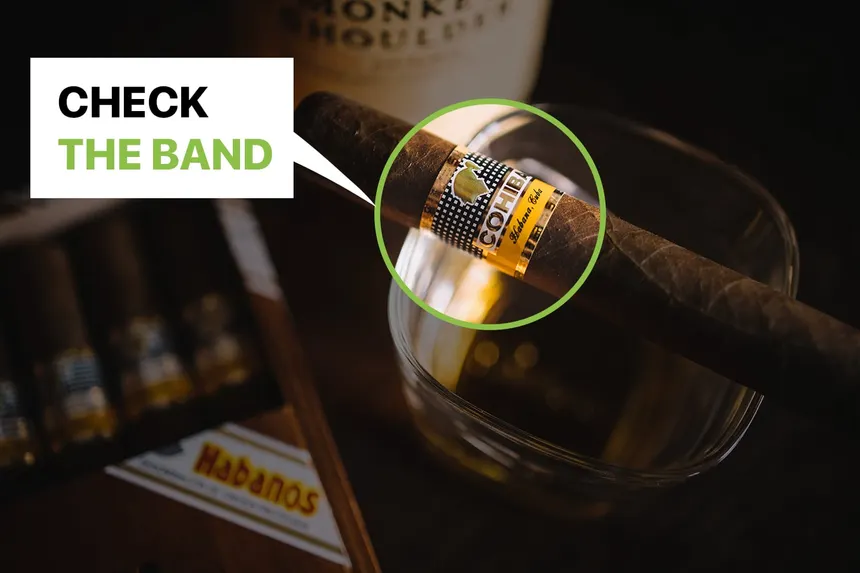
One of the easiest ways to spot a counterfeit Cohiba is by inspecting the band.
Authentic Cohiba bands feature crisp printing, sharp lines, and a distinctive black-and-gold design. The white checkerboard pattern should appear clean and evenly spaced. The gold color should have a rich metallic appearance rather than a dull yellow shade.
Counterfeit bands often show blurry printing, uneven spacing, faded colors, or poor-quality materials. If the logo appears distorted or the details look imprecise, proceed with caution.
Check the Hologram and Security Features
Modern Cohiba cigars include advanced security features designed to combat counterfeiting.
Many genuine bands feature a holographic security element that changes appearance when viewed from different angles. The hologram should be clear, detailed, and professionally integrated into the band.
Fake cigars often attempt to imitate these features, but the holograms are usually low quality or missing entirely.
Inspect the Packaging
Authentic Cohiba boxes are made with exceptional craftsmanship and attention to detail.
Look for:
- Clean, precise box construction
- High-quality hinges and finishes
- Properly aligned labels
- Official warranty seals
- Consistent branding and typography
Poor-quality wood, crooked labels, misspelled words, or cheap-looking finishes are common indicators of counterfeit products.
Verify the Cuban Warranty Seal
If you’re purchasing Cuban Cohiba cigars, the warranty seal is an important authentication feature.
Modern Cuban cigar boxes include a green warranty seal with advanced security elements and a unique barcode. These seals are difficult to reproduce accurately.
Any signs of tampering, damage, or obvious printing defects should raise concerns about authenticity.
Evaluate the Construction of the Cigar
Premium Cohiba cigars are known for their exceptional craftsmanship.
A genuine Cohiba should have:
- A smooth, oily wrapper
- Minimal veins
- Consistent color throughout
- A firm but slightly springy feel
- A well-finished cap
Counterfeit cigars often have rough wrappers, visible imperfections, uneven construction, or soft spots.
Pay Attention to the Aroma
Authentic Cohiba cigars offer a rich and complex aroma even before lighting.
Depending on the blend, you may notice notes of cedar, cocoa, coffee, earth, leather, or subtle spices. The aroma should be pleasant and refined.
Fake cigars frequently smell harsh, stale, musty, or lack the depth associated with premium tobacco.
Consider the Price
If a deal seems too good to be true, it probably is.
Authentic Cohiba cigars command premium prices due to their reputation, craftsmanship, and demand. Deep discounts from unknown sellers should be approached with skepticism.
While occasional promotions exist, genuine Cohibas are rarely sold at dramatically reduced prices.
Buy From Reputable Retailers
The safest way to avoid counterfeit cigars is to purchase from trusted and established retailers.
Authorized cigar merchants maintain proper storage conditions and source their products through legitimate distribution channels. Reputable retailers also provide clear information about the origin of their cigars and stand behind the authenticity of their inventory.
Avoid purchasing expensive cigars from street vendors, unverified online marketplaces, or sellers who cannot provide details about the product’s source.
Common Red Flags of Fake Cohiba Cigars
Here are some warning signs that should immediately raise suspicion:
- Blurry or poorly printed cigar bands
- Misspelled words on packaging
- Missing security features
- Uneven cigar construction
- Extremely low prices
- Poor-quality packaging materials
- Unknown or untrusted sellers
- Inconsistent box markings
Final Thoughts
Spotting a fake Cohiba cigar requires attention to detail, but the effort is well worth it. By carefully examining the band, packaging, security features, construction, and source of purchase, you can significantly reduce the risk of buying counterfeit cigars.
